
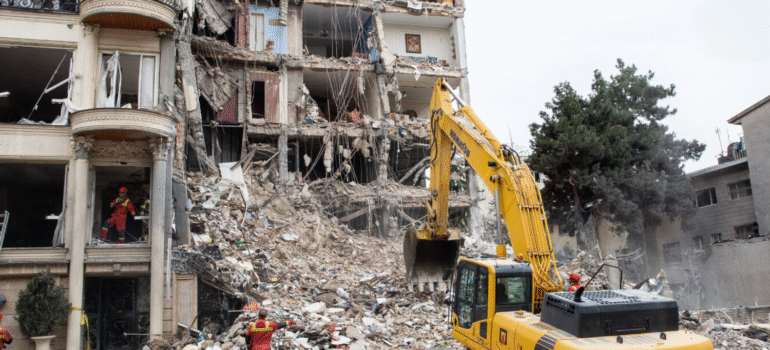
For the past month, the Middle East has been locked in what many are calling the most dangerous conflict of the decade. Today’s 15-point plan represents the first major “off-ramp” offered by Washington, but the path to a signature is anything but clear.
1. What is in the 15-Point Plan?
According to leaked details from officials in Islamabad, the U.S. proposal is a “comprehensive truce” that demands significant concessions in exchange for economic survival. The key pillars include:
-
Nuclear Rollback: Iran must dismantle key facilities, halt all uranium enrichment, and grant the IAEA full, unimpeded access to its sites.
-
The Chokehold: Immediate reopening of the Strait of Hormuz to all international shipping, ending the maritime blockade that has crippled global trade.
-
Military Limits: Strict new caps on Iran’s ballistic missile range and a total end to the funding of regional proxy groups.
-
The Carrot: In return, the U.S. has offered partial sanctions relief, the unfreezing of billions in assets, and a UN-monitored civilian nuclear program with fuel facilities located safely outside of Iranian territory.
2. The Tehranian Rejection
The response from Iran’s military headquarters today was swift and stinging. A spokesperson for the Khatam al-Anbiya central headquarters mocked the proposal, asking if the U.S. was “negotiating with itself.”Tehran’s counter-demands are equally steep: the total withdrawal of U.S. bases from the Gulf, the lifting of all sanctions, and the right to levy transit fees in the Strait of Hormuz.
Why This Matters to You: Fuel, Flights, and Safety?
This isn’t just a distant geopolitical chess match; it has immediate “real-world” consequences for every Indian household today.
The Petrol Pump Panic
The conflict has already caused Brent Crude to surge past $100 per barrel. Experts warn that if the 15-point plan fails and the Strait of Hormuz remains contested, we could see prices hit $120 by next week. This would mean a sharp rise in the cost of transport, groceries, and essential goods across India.
Flight Diversions and Airfare Spikes
Following the escalation today, the DGCA has reiterated its extraordinary safety advisory. Indian airlines (including Air India and IndiGo) are now steering clear of 11 West Asian airspaces.
-
Expect Delays: Flights to Europe and North America are now taking detours of up to 650 nautical miles.
-
Higher Costs: These longer routes mean more fuel and higher ticket prices for summer travelers.
Safety of Indians Abroad
The Indian Embassy in Tehran has issued a fresh advisory today, urging the thousands of Indian students, pilgrims, and business travelers currently in Iran to consider leaving via available commercial flights while they are still operational.
Important: If you have family in the region, ensure they are registered with the Embassy and avoiding all land borders for uncoordinated travel.
Conclusion: Tensions Reach a Boiling Point
As Tehran mocks the U.S. ceasefire offer and global oil markets react with extreme volatility, the 15-point plan remains the only diplomatic document on the table. Whether it leads to a “fruitful dialogue” or serves as the final precursor to a wider conflict will likely be decided in the next 48 hours.
Stay informed, stay safe. In a rapidly shifting crisis, seeing the “real” news is vital. Watch live expert analysis and ground reports from the BBC, Al Jazeera, and NDTV 24×7 as this story develops.